
Tag Literature

r21_arthead

Literary Theological Imagination

The function of the literary imagination is to incarnate meaning in concrete images, characters, events, and settings rather than abstract or propositional arguments. To use the formula of Dorothy Sayers, the imagination images forth its subject, and in turn it is a…
meet_a_puritan_monday_1

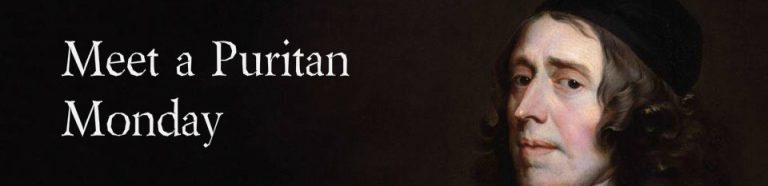
Meet a Puritan: Joseph Alleine

Joseph Alleine (1634-1668)   Life Born at Devizes, Wiltshire, Joseph Alleine loved and served the Lord from childhood. A contemporary identified 1645 as the year of Alleine’s “setting forth in the Christian race.” From eleven years of age onward, “the whole…

br_arthead

Rallying the Really Human Things

A friend of mine, some five years ago now, introduced me to Vigen Guroian when he suggested I read Inheriting Paradise (Eerdmans, 1999), a short but immensely satisfying meditation on the relationship of theology to gardening. Earlier this year, I…

br_arthead

New Town

Though some will try and deny it, everyone loves a good story. Being fashioned in the likeness of the God who scripted the story of life, we by consequence find both identity and delight in stories. We have, after all,…

r21_arthead

Aslan Is On The Move…

When viewing a film, while it is important to pay attention to its narrative, it is also very important not to simply or exclusively concentrate on the narrative. The artistic elements of filmmaking convey aesthetic and worldview choices as much…

br_arthead

The Gospel According to Harry Potter

Harry Potter is the literary phenomenon for children so far in the twenty first century. On the use of the imagination in literature, C.S. Lewis has commented, “You and I who still enjoy fairy tales have less reason to wish…

br_arthead

Christ the Lord: Out of Egypt

Toothless Vampires and the Holy Grail It is often suggested that John Milton’s Paradise Lost is a better read than his Paradise Regained. It is easier to describe evil than goodness, easier to record the terrors of Hell than the…